
Kicking off your blogging journey without pinpointing the right niche is a bit like setting out on a road trip with no destination in mind. You might see some cool stuff on the way, but without a clear endpoint, you risk getting lost or running out of gas. Picking the right niche isn’t a sidestep; it’s actually one of the first things you gotta nail to give yourself the best shot at success.

Jumping into an oversaturated market is like trying to make waves in a kiddie pool. You’re competing against so many others, it’s tough to stand out. Picture trying to shout in a crowded room: nobody’s really gonna hear you unless you have something special to say. That’s why finding a niche that isn’t overly crowded can give your voice the chance to rise above the noise.
Now, trends play a massive role in deciding how profitable a niche can be. Trends influence what people are talking about online, what they’re searching for, and ultimately, what they’re clicking on. It’s like surfing – catch a wave at the right time, and you’re sailing smoothly. But if you miss it, you might be paddling alone for a while. Keeping an eye on trends is about knowing when to jump into the ride and make the most out of your efforts.
Understanding Your Audience: Speaking Directly to Them
Talking directly to your readers means knowing them inside out. Think of your audience as your best friend – you should know what they like, what they need, and how to get their attention. That’s what it means to have an ultra-specific target audience. It’s about drilling down to who they really are, so you’re not just another voice fading into the background noise.
Picture this: if you’re speaking to someone at a 10th-grade level, it’s not about dumbing things down. It’s about using straightforward language that clicks and sticks. People appreciate when things are easy to understand. This way, your messages aren’t getting caught up in complex words but rather hitting home with clarity. It’s like having a clear chat with a friend where neither of you is reaching for a dictionary.

Engaging your audience with a second-person voice means making sure your readers feel like you’re speaking to them directly. It’s “you,” “your,” and “yours” instead of “they,” “them,” or “theirs.” This approach pulls readers in, making the conversation feel personal and direct. It’s more like sharing a coffee, with you nodding along and really listening, rather than just broadcasting a speech from a faraway podium. This personal touch is what keeps readers coming back to your blog again and again.
Researching Emerging Trends for 2026
Spotting fresh trends for 2026 is like trying to catch the upcoming blockbuster movie before anyone else has heard about it. It’s all about being in the know and ready to jump on new opportunities before they go mainstream. Staying ahead of the curve means your niche won’t just be today’s hot topic but will remain relevant as time rolls on.
The trick lies in scoping out data-driven sources. Websites and tools that analyze current trends or forecast future ones are your allies here. Think of platforms like Google Trends, social media, and industry reports. By hanging out where discussions are already shifting, you can start predicting what’s likely to hit big next. This way, you’re not just riding any wave – you’re picking the one with the potential to be a tsunami of interest.

Societal changes are game-changers in forming niche decisions. It’s about considering what’s happening around us, from tech innovations and the green movement to changing work cultures. Understanding these shifts can help you tailor content that doesn’t just resonate today but continues to be significant as the landscape evolves. Keep an eye on what’s changing in people’s lives, and align your content to those changes.
Utilizing Keyword Tools to Discover Profitable Topics
Harnessing the power of keyword tools is key to finding those golden topics that’ll give your blog an edge. These tools, like SEMrush and Ahrefs, serve as a compass when you’re venturing into the open seas of content creation, showing you where the opportunities lie.
Your goal? Look for topics with high search volume but low competition. These are your jackpot finds. It’s like heading to a thrift store and stumbling across something rare and valuable. By focusing on these areas, you’re more likely to attract readers without getting lost among the giants.
Want to put this into practice? Picture trying out a hypothetical topic. Use one of these tools to see how many people are searching for it and how tough the competition is. This hands-on approach not only shows you how the process works but also builds your confidence.
Think of this exercise as making a map before you set off on an adventure. With a clear path marked out, you’re ready to explore niche opportunities armed with the knowledge of where success might be hiding.
Analyzing Competitor Blogs: Understanding the Landscape
Checking out what other bloggers in your niche are doing is like scouting the competition before the big game. It helps you see what’s working and what’s not, giving you a clearer idea of how to make your blog stand out.
Start by finding who your competitors are. It’s like drawing up a list of players on the other team. Look at their style, how they engage with readers, and what kinds of posts get the most traction. Tools like SimilarWeb or just good ol’ Google can help you track them down.
Identify what makes successful blogs tick. Are they rocking it with analytics-driven content? Is their engagement off the charts because of the way they interact with their audience? Pinpoint these elements, and see how you can incorporate or improve them in your own way.
Learn from the not-so-successful approaches too. Understanding what doesn’t work can be just as enlightening as what does. Maybe they’re not connecting with their audience or their content lacks depth. By recognizing these pitfalls, you’re less likely to repeat them.
This isn’t just a copy-paste job. It’s about carving out your unique space by blending the best practices you observe with your own distinctive flair. Craft content that’s both informed by the success and lessons of others and deeply personal to you.
Testing Your Ideas: Audience Feedback and Pilot Content
Once you’ve got your niche topics lined up, it’s time to put them to the test with some pilot content. Think of this as a low-risk trial run to see what sticks with your audience. Creating test posts lets you gauge interest and identify what truly hits home.
Gathering feedback is your next move. Dive into comments sections, set up surveys, or track metrics like likes and shares to see how your posts are resonating. It’s about putting your feelers out there and listening to the public vibe. Taking this pulse hones your content strategy and helps trim the fat from your offerings.
Interpreting feedback requires more than just looking at numbers. Pay attention to qualitative feedback – what are readers actually saying? Are there trends in comments that highlight what’s working or what’s missing? Spinning these insights into the next phase of your content plan helps refine and sharpen your blogging approach.
Don’t be afraid to adjust based on the audience’s reactions. It’s not set in stone. Flexibility is your friend here. Maybe a topic needs a different angle or more depth to truly catch fire. Being open to change and continuously evolving makes for a thriving blog.
Ultimately, this phase is about learning and tweaking until you hit that sweet spot where your ideas and your audience’s interests align perfectly. Whether it’s through bold new ideas or subtle shifts, each iteration is a step closer to blog success.
Enhancing Content Quality Through E-E-A-T Principles
Building trust with your audience is pivotal, and that’s where the E-E-A-T principles really shine: Experience, Expertise, Authoritativeness, and Trust. Each of these elements fortifies your blog, making it not just a source of information but a beacon of reliability.
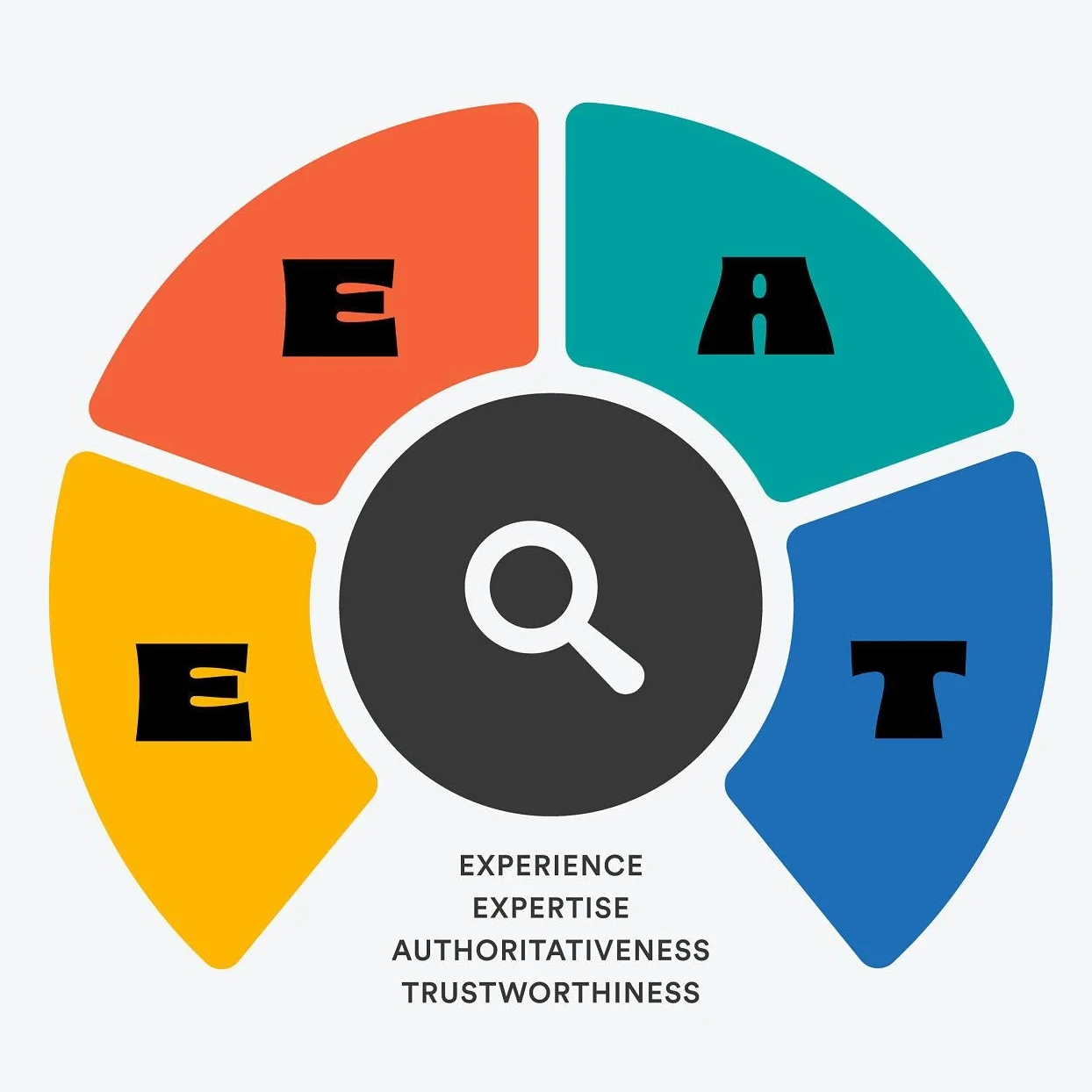
Start by sharing your personal experiences and insights. People connect with real stories that vividly illustrate a point. It’s like having a heart-to-heart—it makes your content relatable and convincing because you’re not just quoting facts but sharing life.
Expertise is your ace up the sleeve. Be the go-to person in your niche by constantly learning and then sharing the latest, most accurate information. This not only draws readers to your blog but keeps them coming back for that trusted expert opinion.
Authoritativeness isn’t granted overnight; it’s earned by consistently putting out quality content. Citing reliable sources, collaborating with industry experts, or conducting interviews can all boost your authority. It’s like earning stripes in your blogging journey.
Without trust, the pyramid crumbles. Be transparent in your writing, own up to mistakes, and always give credit where it’s due. This openness fosters trust and builds a loyal reader base. Remember—honesty goes a long way, and your readers will sense it.
Real-life examples, expert tips, and detailed data transform an okay post into a great one. By weaving these elements into your content, you turn it from something people read once to something they bookmark and share. The goal is to craft posts so good that readers can’t help but trust you.
Final Thoughts: Crafting Your Roadmap to Blogging Success
Hitting your stride in blogging isn’t just about picking a niche—it’s about weaving together all these threads into a cohesive strategy. Each bit you’ve gathered along the way forms the foundation from choosing your niche and understanding your audience to diving into trends and using tech tools.
Set realistic goals that map out where you see your blog in six months, a year, or even five years. It’s not about sprinting to the finish line but about pacing yourself. Break your goals into smaller, manageable chunks that make the journey less daunting and more achievable.
Staying consistent is your secret weapon. Regularly publishing valuable content keeps readers engaged and coming back for more. It’s about being in your audience’s mind when they think about your niche. Consistency breeds familiarity, and that brings trust.
Look back and celebrate small wins along the way because each step forward is progress. It could be a super-engaging post, a surge in traffic, or a heartfelt comment from a reader. These moments reaffirm why you started blogging in the first place.
Your blogging journey is as unique as you are. Everyone’s path is different, so don’t get bogged down comparing yourself to others. Use your voice, showcase your perspective, and watch your blog not just grow but thrive as it resonates with others.
If you’re serious about using strategic blogging to grow your business, then check out this post where we discuss the hidden gem small business owners are quietly using to transform their businesses.