
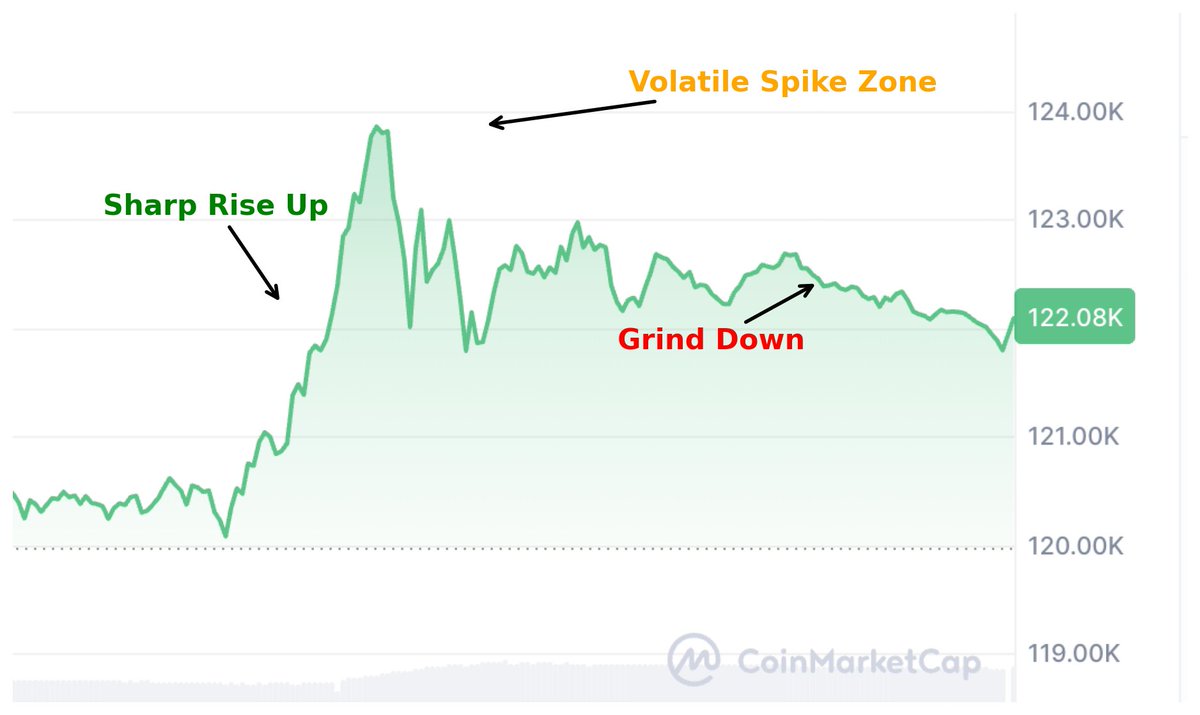
Every year, thousands of people open trading accounts.
Stocks. Crypto. Options. Forex.
The promise is exciting:
- Fast gains
- Big wins
- Freedom from a job
And to be fair — trading can make money.
But here’s the real question:
Does trading build wealth… or just income spikes?
If you’re a small business owner, freelancer, or professional trying to increase income, this distinction matters more than you think.
Let’s break it down.
What Trading Really Is
Trading is short-term decision making.
You:
- Buy an asset
- Wait for movement
- Sell for profit (hopefully)
It relies on:
- Market timing
- Emotional control
- Constant monitoring
- Risk tolerance
You only earn when you’re actively involved.
No trade.
No income.
Even long-term investing depends on market cycles you cannot control.
Trading can generate income.
But it does not build an asset you own and control.
What Asset Building Looks Like
Asset building is different.
Instead of buying price movements, you build something:
- A blog
- A YouTube channel
- An email list
- A digital product
- An affiliate content platform
You create content once.
It keeps working.
A blog post written today can:
- Rank on Google
- Generate traffic
- Produce affiliate income
- Build authority
For years.
You’re not betting on price swings.
You’re building digital real estate.
The Core Difference
| Trading | Asset Building |
|---|---|
| Income depends on market timing | Income depends on systems |
| Emotionally intense | Strategically consistent |
| Requires constant attention | Builds momentum over time |
| No resale value | Can be sold as a business |
| High volatility | Compounding stability |
One creates spikes.
The other creates leverage.
The Psychological Trap of Trading
Trading feels powerful.
You see charts moving.
You feel in control.
You experience wins.
But what most people don’t realize:
Trading income resets to zero after every trade.
You must perform again tomorrow.
Asset income compounds.
Each article.
Each subscriber.
Each affiliate partnership.
They stack.
Risk: The Hidden Variable
Trading risk:
- Market crashes
- Volatility
- Liquidity shifts
- Regulatory changes
Asset building risk:
- Consistency
- Patience
- Learning curve
One risks capital.
The other risks time.
For most small business owners, time invested in an asset creates long-term control.
Capital placed into volatile markets creates dependency.
Which Path Builds Enterprise Value?
Here’s the key difference most people miss:
A trading account cannot be sold as a business.
A blog can.
An email list can.
A niche content platform can.
A digital brand can.
Asset building creates something transferable.
Trading creates activity.
The Hybrid Reality
This is not an attack on trading.
Some people:
- Enjoy it
- Understand risk deeply
- Have capital they can afford to lose
But if you are:
- Trying to escape income caps
- Trying to build location freedom
- Trying to increase predictable income
Then asset building should come first.
Because assets create stability.
Stability allows optional risk-taking later.
A Smarter Wealth Strategy
Step 1: Build income through assets
Step 2: Stabilize cash flow
Step 3: Reinvest profits
Step 4: Then explore higher-risk opportunities if desired
Most people reverse this order.
They chase volatility before building stability.
That’s why so many remain stuck.
Final Thought
Trading can generate income.
Asset building generates leverage.
One depends on market behavior.
The other depends on your strategy.
If you had to choose one foundation to build on for the next 5 years…
Would you rather:
Chase price swings?
Or build something that works while you sleep?